

Feeling like your real life is just a loading screen for your digital one? You might be chronically online. This isn't just about screen time; it's a state of being where the virtual world warps your perception, emotions, and social skills. Let's diagnose the digital disconnect.
1. Your Emotional Reactions Are Algorithmically Tuned
Do you feel genuine rage about a celebrity feud you discovered 48 hours ago? Or profound sadness from a stranger's viral tragedy? When you're chronically online, your emotional landscape gets flattened and amplified by the content pipeline. Research suggests constant exposure to high-emotion, low-context digital stimuli can rewire our empathy and outrage responses. The algorithm feeds on engagement, not nuance. Your anger becomes a metric. Your sadness, a shareable moment. The first step back to reality is asking: "Is this my feeling, or am I performing a feeling the internet taught me?"
2. You've Forgotten How to Be Bored (And Why It's Essential)
Boredom is the birthplace of creativity, self-reflection, and genuine rest. A perpetually connected state annihilates it. The constant scroll offers a drip-feed of micro-distractions, preventing your mind from wandering into its own uncharted territories. Studies indicate that fear of boredom is a key driver of excessive internet use. This state of digital saturation means you never have to sit with an uncomfortable thought, a quiet moment, or simply your own company. Relearning to be bored—without reaching for a device—is a radical act of reclamation. Start with five minutes. Just sit. The itch to scroll will be intense. That's the point.
3. Your Social Scripts Are Written in Memes and Discourse
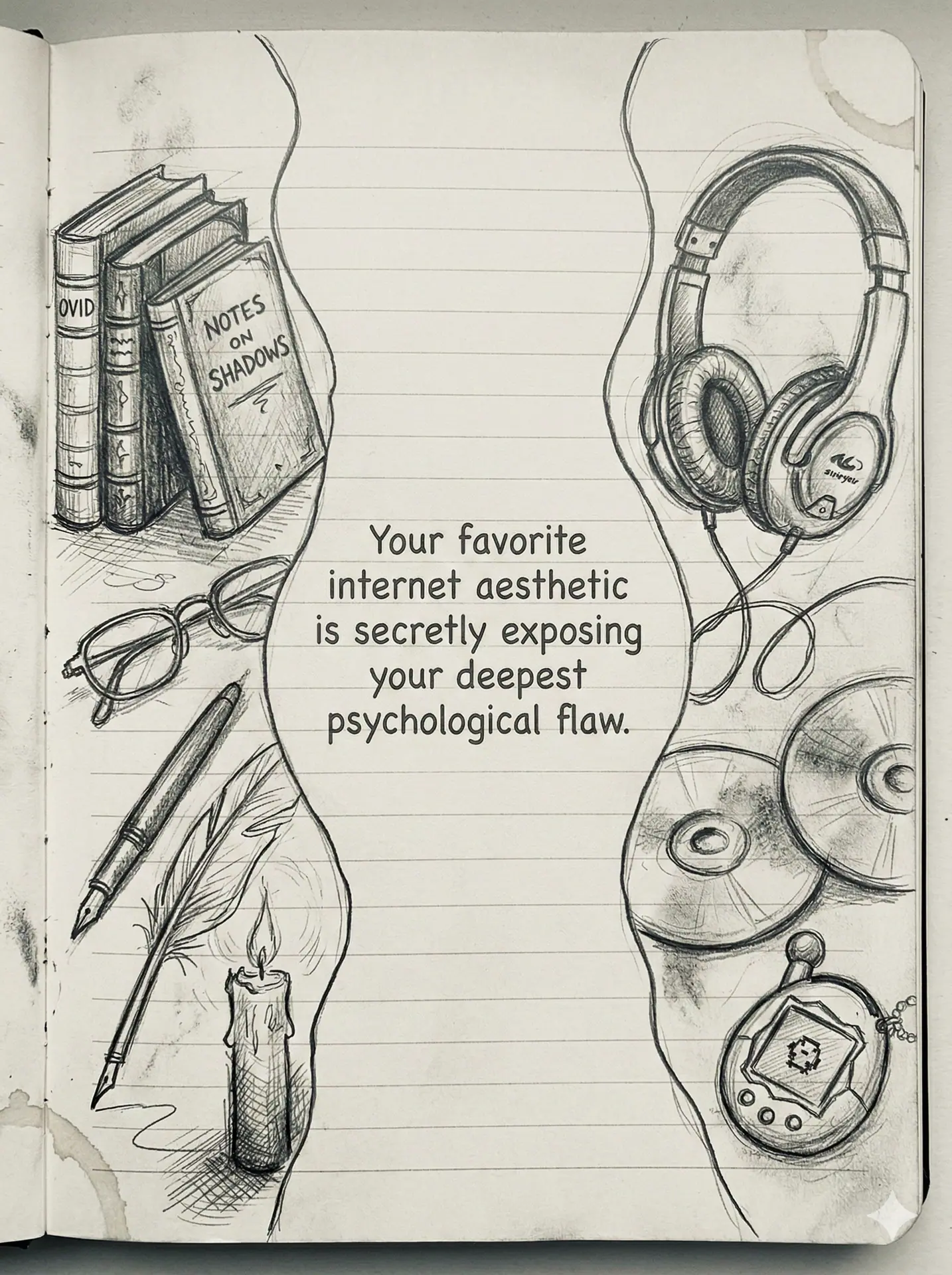
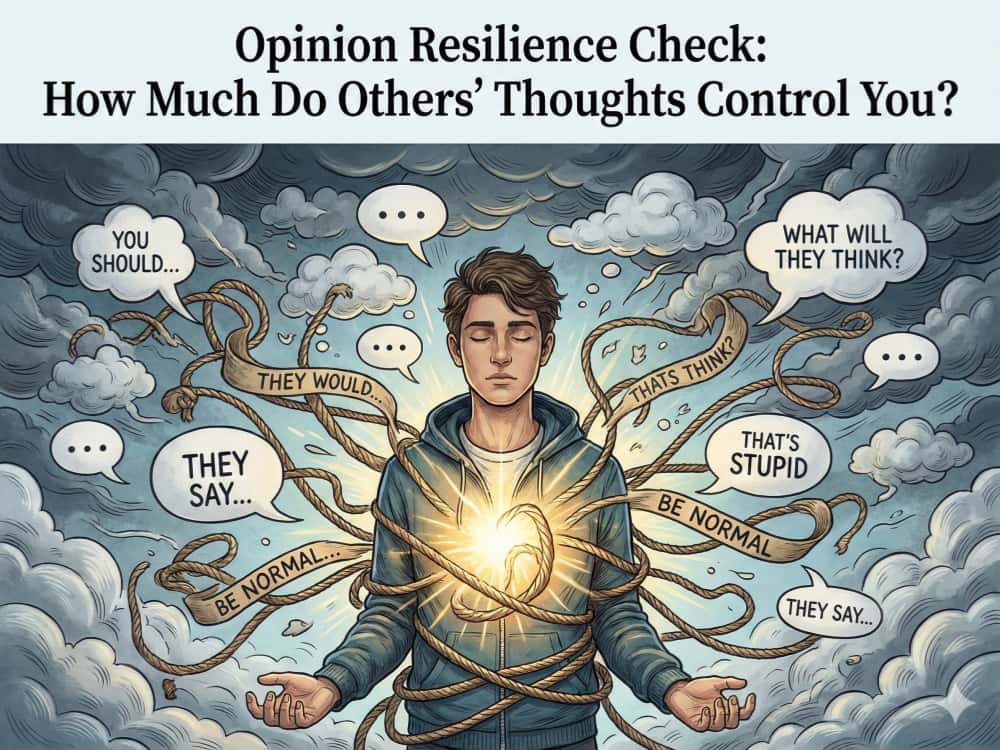
Your humor is entirely referential. Your opinions are pre-framed by online discourse. You understand complex human experiences through simplified labels and viral templates. This digital vernacular seeps offline, making real-world conversations feel stilted or unsatisfying. You might find yourself mentally "captioning" your own life or filtering interactions through the lens of how they'd play out online. Many experts believe this creates a performative layer to identity, where you're constantly auditing yourself for an invisible audience. The cure? Have a conversation where you ban all references to internet culture. Talk about the weather. A book. A physical sensation. It will feel awkward. That's your brain rewiring.
4. Your Attention Span Is Fragmented, Not Focused
You open a book, then check your phone. You start a movie, then read the wiki. You begin a task, then fall into a 45-minute research rabbit hole on a tangential thought. This isn't multitasking; it's attention fragmentation, a hallmark of the deeply online brain. Neuroscience indicates that constant task-switching erodes our capacity for deep, sustained focus. The internet rewards skimming, reacting, and moving on. Life, meaningful work, and complex relationships require the opposite. Rebuilding focus is a muscle. Try a single-tasking challenge: one activity, one screen, no switches for 25 minutes. The withdrawal will be real.
5. The "Real World" Feels Like a Low-Resolution Simulation
Offline life seems slow, poorly formatted, and lacking a clear feedback loop. The instant validation of likes, the rapid-fire news cycle, and the endless novelty of the web create a dopamine velocity that reality can't match. When you step away, things feel dull, quiet, and strangely low-stakes. This is the core of the chronically online experience: a distorted perception where the digital feels hyper-real and the physical feels lacking. It's a sensory and psychological calibration issue. The fix involves immersive, analog experiences that engage all five senses: cooking a detailed meal, working with your hands, walking in nature without headphones. You're reminding your nervous system what high-resolution reality actually feels like.
6. You Experience Paranoia and Hyper-Vigilance From Digital Context Collapse
You overanalyze a three-word text because you're used to parsing tone from strangers in comment sections. You feel a background hum of anxiety that you're "missing out" or "behind" on some nebulous trend or news. Online, context is often stripped away, forcing us to be hyper-vigilant for subtext, bias, and social threat. This defensive posture doesn't switch off when you close the app. It bleeds into your offline interactions, fostering a low-grade paranoia and exhaustion. Recognizing this is key: not every silence is a slight; not every offline conversation is a debate to be won. The rules of the internet are not the rules of life.
7. Your Self-Worth Is Hosted on a Server Somewhere
Your value feels tied to your digital footprint: your follower count, the engagement on your post, your cleverness in a group chat. This externalizes your sense of self, making it precarious and performance-based. A life lived through a lens is a life evaluated, not lived. The most insidious part of being chronically online is how it outsources your identity. The path back isn't about deleting everything (that's just another dramatic performance). It's about cultivating an inner scorecard. What do you value when no one is watching? What brings you joy that you'll never post about? Find those things. Nurture them in private. That's where a stable self resides.
Recognizing these signs isn't about self-judgment; it's about awareness. The goal isn't to quit the internet—it's to quit letting the internet use you. The bridge back to reality is built with small, intentional disconnections. Put the phone in another room for an hour. Notice the urge to document an experience, and instead just... have it. The digital world is a tool. Don't let it become the entire workshop. Your attention is your most precious resource. Who, or what, are you paying it to?