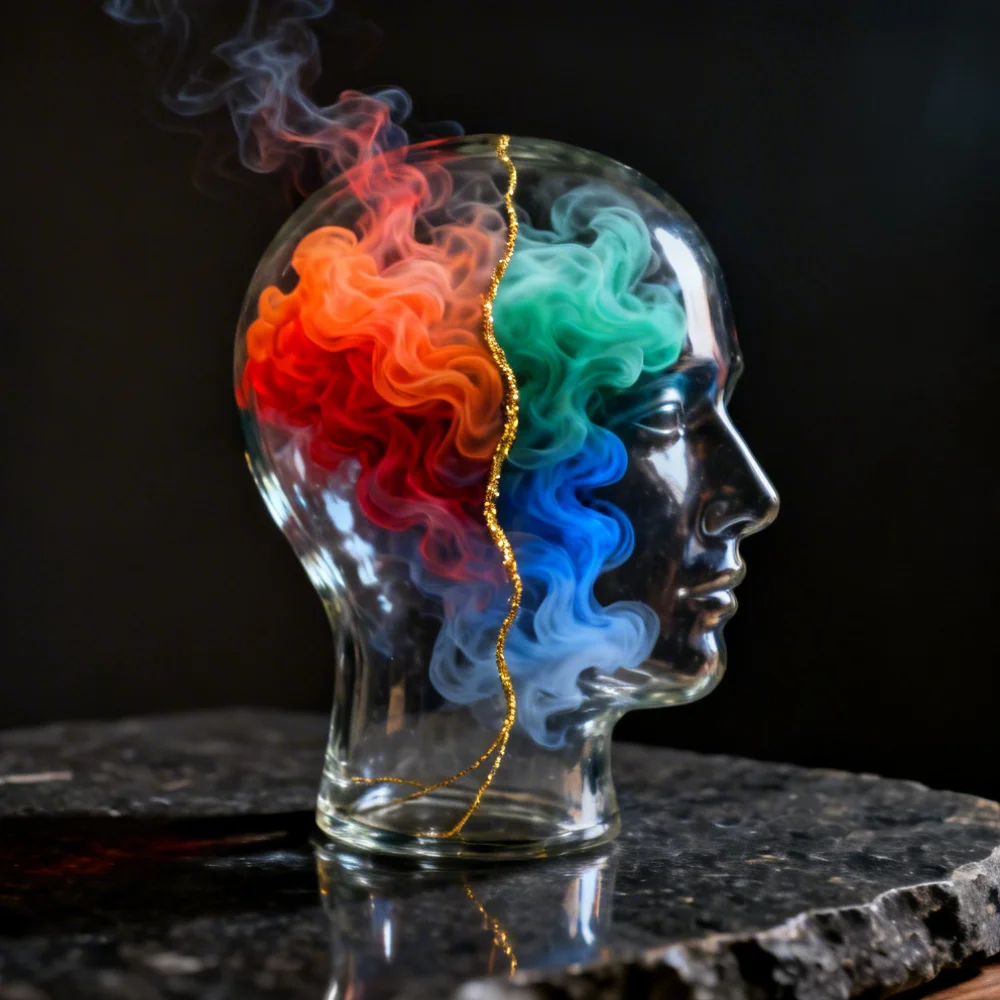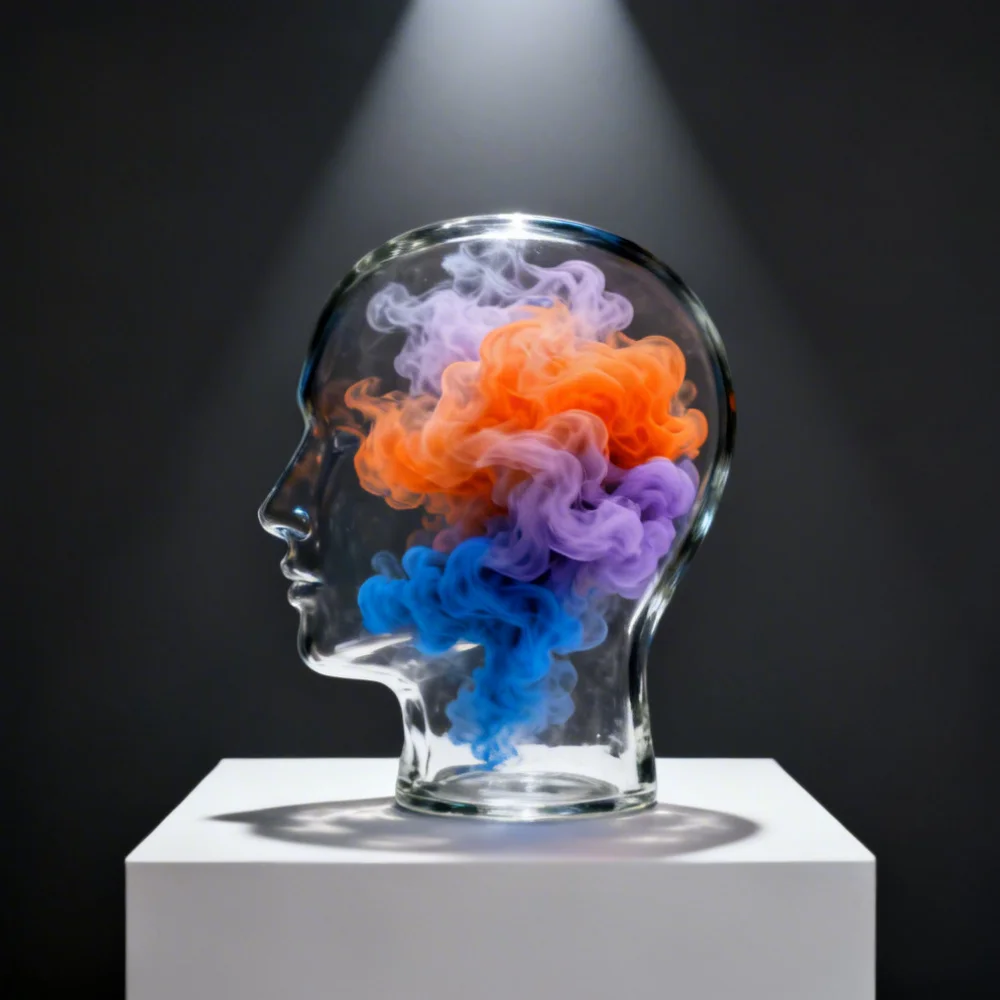
Forget what you think you know about being "smart." The most critical skill for navigating modern life isn't measured by a test score; it's your emotional intelligence. This isn't just about being nice—it's a powerful toolkit for understanding yourself and connecting with others, and research suggests it might be a better predictor of success and well-being than traditional intelligence. Let's dive into the fascinating science and surprising realities behind this essential human capacity.
1. It's Not About Being "Emotional," It's About Being Strategic With Emotions
Many people confuse high emotional intelligence with being overly expressive or sentimental. In reality, it's quite the opposite. Think of emotions as data—a constant stream of internal signals about your needs, values, and environment. A person with high emotional intelligence is like a skilled analyst. They can accurately identify the data point ("This is frustration"), understand its source ("It's because my effort wasn't acknowledged"), and then decide on the most effective response ("I will calmly explain my perspective"). This skill, often called emotional regulation, isn't about suppression. Studies indicate it's about managing the duration and intensity of an emotion so you can choose your behavior, rather than letting the emotion choose it for you. It's the difference between a storm controlling a ship and a captain skillfully navigating through it.
2. Your Body Is Your First Emotional Intelligence Sensor
Before your brain can even label a feeling, your body is already sending signals. That knot in your stomach before a difficult conversation, the tightness in your shoulders during stress, the lightness in your chest when you feel joy—these are your body's primitive, non-verbal intelligence at work. Tuning into these somatic cues is a foundational aspect of self-awareness, a core component of emotional intelligence. Research in the field of interoception (your sense of your body's internal state) suggests that people who are more attuned to their physical sensations are often better at identifying their emotions accurately. Think of it as learning a second language: the language of your own physiology. By paying attention to your body's whispers, you might not need to hear its screams.
3. It's the Secret Sauce of Genuine Connection (Not Just Manipulation)
There's a common misconception that emotional savvy is about manipulating others' feelings for personal gain. True emotional intelligence, however, is the engine of empathy and authentic connection. It involves two key social skills: cognitive empathy (understanding what another person might be thinking or feeling) and affective empathy (sharing in the emotional experience). When you can accurately read subtle social cues—a slight shift in tone, a fleeting facial expression, body language that doesn't match words—you gain a clearer map of the social landscape. This allows for more meaningful interactions, as you can respond to what's actually happening beneath the surface. Many experts believe this ability to build rapport and trust is what makes emotionally intelligent individuals effective leaders, partners, and friends.
4. It's a Muscle, Not a Fixed Trait—And You Can Train It
Here's the most empowering truth: unlike your IQ, which remains relatively stable throughout adulthood, your emotional intelligence is highly malleable. Your brain's neuroplasticity means you can literally rewire your neural pathways with practice. Think of it like learning a sport. You wouldn't expect to master tennis without practice. Similarly, you can strengthen your EQ through deliberate exercises. This could involve a daily mindfulness practice to improve your awareness of passing thoughts and feelings, actively practicing naming your emotions with more granularity (beyond just "good" or "bad"), or engaging in reflective listening where you focus entirely on understanding the other person before formulating your reply. The science of neuroplasticity confirms that consistent, focused effort in these areas can lead to lasting changes in how you process emotional information.
5. Low Emotional Intelligence Often Masks as "Rationality"
One of the most surprising barriers to developing emotional intelligence is the belief that emotions are the enemy of logic. Some individuals pride themselves on being "purely rational," dismissing emotions as irrelevant or weak. However, neuroscience reveals this is a false dichotomy. Brain scans show that the neural pathways for emotion and reason are deeply intertwined; our emotional centers inform and guide our decision-making processes. When someone dismisses or ignores their emotional data, they are often making decisions with an incomplete dataset. What looks like cold logic can sometimes be an unexamined emotional reaction—like fear disguised as skepticism, or insecurity masquerading as criticism. Recognizing that emotion and reason are collaborative partners, not rivals, is a hallmark of mature emotional intelligence.
6. It Shapes Your Inner Narrative (And Your Resilience)
The way you talk to yourself about your emotions—your internal narrative—is a direct product of your emotional skills. Someone with lower emotional intelligence might get caught in a loop of judgmental self-talk: "Why am I so anxious? I'm so weak for feeling this way." This amplifies distress. A person with higher emotional intelligence practices self-compassion and curious inquiry: "I'm feeling really anxious right now. That's interesting. What is this anxiety trying to tell me? What do I need?" This shift from self-criticism to self-curiosity is transformative. It doesn't make the difficult emotion disappear, but it changes your relationship to it. This builds psychological resilience, the ability to bounce back from setbacks. By meeting your own emotional experience with understanding, you become your own safest harbor in an emotional storm.
Putting It Into Practice: Start With the "Name It to Tame It" Technique
The journey to greater emotional intelligence begins with a single, simple step: labeling. When you feel a strong emotion, pause and try to name it with as much specificity as possible. Are you feeling *disappointed* or *resentful*? Are you *content* or *joyful*? Research in a field called affect labeling shows that the mere act of verbally naming an emotion can reduce the amygdala's (the brain's alarm center) reactivity, calming the nervous system. This week, try keeping a simple log. When you notice a shift in your mood, write down the emotion and one physical sensation that accompanied it. This practice builds the foundational awareness from which all other emotional intelligence skills grow. Remember, this isn't about achieving perfection, but about cultivating a more insightful and compassionate relationship with your own incredible, complex inner world.