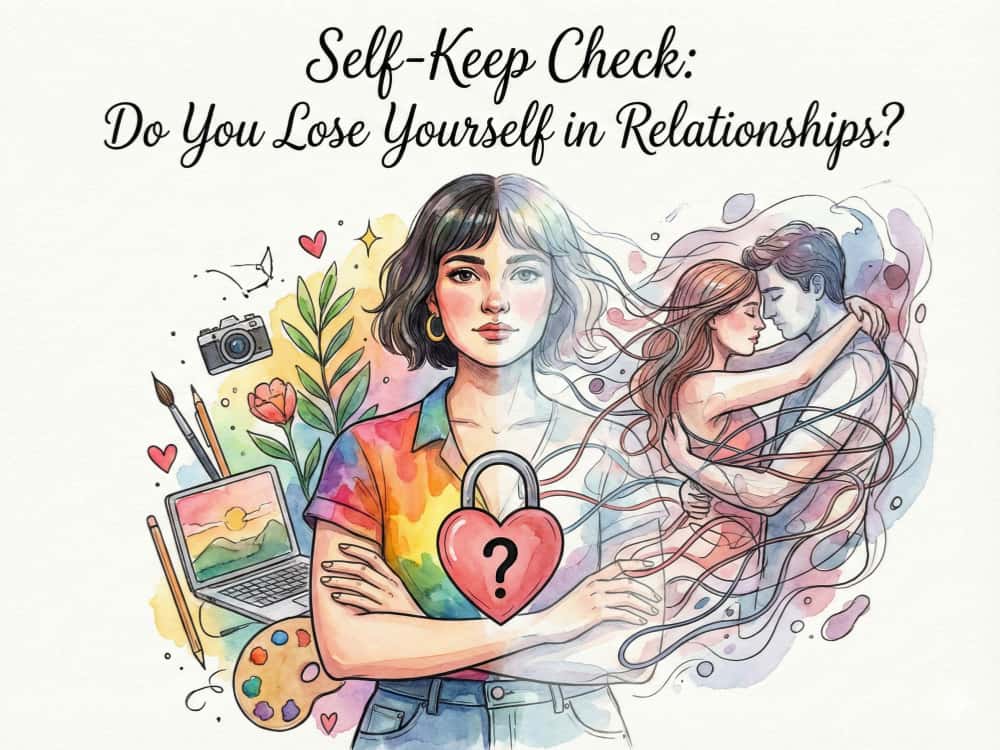


We all have that one friend, or maybe we've been that friend ourselves. The one who can turn a casual chat into a competition, or whose "honesty" feels more like a weapon. The truth is, most of us secretly harbor a few toxic traits we'd rather not see in the mirror. This isn't about labeling ourselves as bad people; it's about recognizing the subtle, often unconscious patterns that can drain our relationships and our own well-being. Let's pull back the curtain with kindness.
The Mirror Test: Why We Don't See Our Own Red Flags
Our brains are masterful at self-preservation, which includes a healthy dose of self-deception. It's far easier to spot problematic behavior in others than to turn the spotlight inward. Research suggests this "bias blind spot" is a universal human trait. We might label a coworker as "manipulative" for lobbying for a project, while we call our own identical behavior "strategic advocacy." This isn't hypocrisy; it's a psychological defense mechanism. The first step in addressing any harmful pattern is simply admitting it might exist. What if that thing you pride yourself on—your brutal honesty, your high standards, your independence—has a shadow side that others experience differently?
The Subtle Saboteurs: Common Patterns That Fly Under the Radar
When we think of toxic traits, we often imagine dramatic, obvious offenses. But the most pervasive ones are quiet, often disguised as virtues. Perfectionism, for instance, isn't just about having tidy notes; it can be a vehicle for relentless self-criticism and judgment of others. Similarly, chronic pessimism, framed as "being realistic," can slowly poison a team's morale or a partner's optimism. Then there's passive-aggression—the sigh, the backhanded compliment, the "fine, whatever"—which allows us to express anger without taking responsibility for it. These aren't character flaws; they're learned coping mechanisms. Many experts believe they often stem from a fear of direct conflict, vulnerability, or not being good enough.
The Feedback Loop: How Our Actions Shape Our World
Our behaviors don't exist in a vacuum; they create a feedback loop. If we have a tendency to be dismissive, we may find people stop sharing their ideas with us, which can then reinforce our belief that we're the only competent one. If we're prone to jealousy, our constant questioning might push a partner away, seemingly "proving" our fears were valid all along. This is the insidious cycle of self-fulfilling prophecies. Studies indicate that recognizing this loop is key to breaking it. It asks us to consider: are the reactions I'm getting a reflection of the energy I'm putting out? It's a tough but crucial question.
From Blame to Curiosity: Reframing the Narrative
Calling a part of yourself "toxic" can feel shameful and defeating. What if we shifted the language? Instead of a "toxic trait," think of it as a "pain point" or an "overdeveloped strength." Your fierce independence might have helped you survive a difficult time, but now it's walling you off from intimacy. Your need to be right might have protected you in academic settings, but now it's alienating your friends. This reframe isn't about making excuses; it's about moving from self-blame to compassionate curiosity. It allows you to ask, "What is this behavior trying to do for me? What need did it once meet?" This is where real change begins.
The Antidote Isn't Perfection, It's Awareness
The goal of this reflection isn't to achieve some pristine state of being flaw-free. That's impossible and, ironically, could become another toxic trait in disguise. The goal is mindful awareness. It's noticing the impulse to gossip before you speak. It's feeling the heat of defensiveness rise in your chest during feedback and choosing to breathe instead of retaliate. It's catching yourself in a pattern of negative self-talk and gently interrupting it. This awareness creates a tiny space between impulse and action—a space where choice lives. In that space, you can decide to do things differently, just for today.
A Gentle Invitation to Look Inward
So, let's make a pact to drop the shame. Having these tendencies doesn't make you a bad friend, partner, or person. It makes you a human who has developed strategies to navigate a complex world. The most empowering thing we can do is to get honest with ourselves. Maybe tonight, over a cup of tea, ask yourself with genuine kindness: Where do I feel tension in my relationships? When have I felt defensive lately, and why? What's one pattern I see in my past conflicts? The answers aren't an indictment; they're a map. A map that doesn't point to what's wrong with you, but toward where you can grow. And that growth—the messy, non-linear, deeply human kind—is the opposite of toxicity. It's the beginning of building a life, and relationships, that feel truly nourishing.