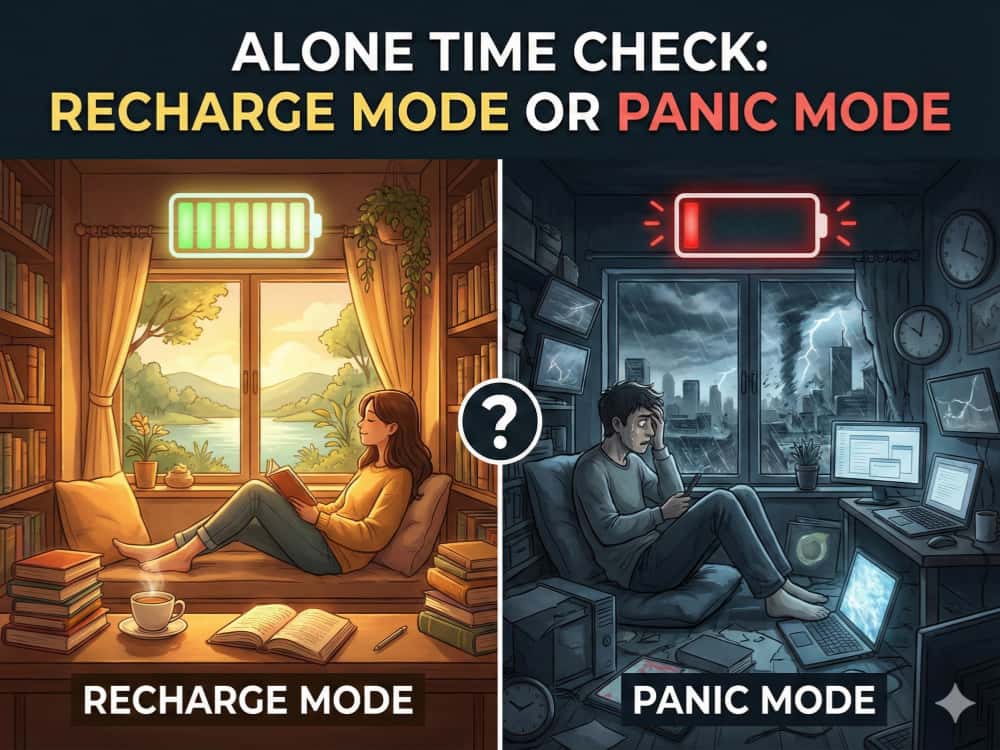
That wave of worry hitting you before you've even opened your eyes has a name: morning anxiety. It's that specific, heavy feeling of dread that seems to greet you alongside the alarm clock, and you're far from alone in experiencing it. Let's unpack what's really going on and explore some gentle, supportive ways to find a calmer start.
Why do I wake up already feeling anxious?
It can feel like your brain has a mind of its own, launching a worry parade the second you regain consciousness. Research suggests a primary culprit is our body's natural cortisol awakening response (CAR). Cortisol is a stress hormone that naturally peaks about 30-45 minutes after waking to help us get alert and mobilized for the day. For some people, this spike can feel more like a tsunami of anxiety, especially if you're already prone to worry. Your mind, now booting up, immediately reaches for its "to-worry-about" list from yesterday. Combine that physiological surge with the quiet stillness of morning, and there's nothing to distract from the internal noise. It's not that you're doing something wrong; your nervous system might just be a bit too enthusiastic with its morning alarm.
Is my morning anxiety actually about the day ahead, or something else?
This is a brilliant question. Often, that sense of impending doom feels attached to your calendar's first meeting or your to-do list, but it might be a stand-in for deeper, unresolved stress. Think of it like a misdirected notification. Your body knows it's carrying stress, but when you wake up, it simply dumps that general feeling onto the first concrete thing it can find—like an upcoming presentation or a social obligation. Many experts believe this early-day distress can be a sign of emotional exhaustion or burnout, where your resources are so depleted that even a normal day feels overwhelming. It can also be linked to sleep quality; a night of poor or restless sleep doesn't give your brain the emotional reset it needs, leaving you emotionally vulnerable at dawn. Reflecting on whether the anxiety is about specific tasks or a general feeling of being overwhelmed can be a key first step.
What's the difference between normal worry and problematic morning anxiety?
Everyone has mornings where they feel a bit keyed up before a big event. Problematic morning anxiety tends to be more persistent, intense, and disconnected from a clear, proportional cause. It's the difference between feeling nervous for a job interview (situational) and feeling a crushing sense of dread every single Monday, even when your day looks manageable. Signs that it might be more than just everyday worry include: physical symptoms like a racing heart, stomach knots, or tightness in your chest that lasts; the anxiety dominating your first hour or more and being hard to shake; and it leading to avoidance behaviors, like repeatedly hitting snooze or canceling plans. If your morning distress is significantly impacting your ability to start your day, it's a signal worth listening to with kindness.
Can what I do at night really change how I feel in the morning?
Absolutely. Think of your night routine as setting the stage for your morning mental state. It's less about a perfect ritual and more about creating a buffer between the stress of the day and your sleep. Studies indicate that "brain dumping" by journaling for 5-10 minutes before bed can help get swirling thoughts out of your head and onto paper, preventing them from being the first thing your mind grabs in the morning. Creating a consistent wind-down period—dimming lights, putting away stimulating screens—helps signal to your nervous system that it's safe to power down. What you consume matters, too; late-night caffeine, heavy meals, or even intense news or social media can fuel a more reactive state upon waking. A gentle evening isn't a cure-all, but it can be a powerful way to turn down the volume on your morning anxiety.
What are some simple, non-overwhelming ways to cope when the anxious feeling hits?
The goal here isn't to fight the feeling, but to gently shift your state. Start small and be your own supportive friend. First, try to change your physical position. Sitting up slowly, placing your feet firmly on the floor, and taking three slow, deep breaths can interrupt the panic cycle. Next, engage your senses immediately: notice five things you can see, four things you can feel (the blanket, the floor), three things you can hear. This grounds you in the present. Instead of jumping into problem-solving, give yourself 10 minutes of "worry-free" time. Listen to a calming podcast, sip water, or look out the window. The key is to break the immediate "anxiety = action" response. Remember, you don't have to have the whole day figured out at 7 AM. Just focus on the very next step.
Morning anxiety can feel like a cruel way to start your day, but understanding it is the first step toward disarming its power. It's often not a sign of personal failure, but a signal from your body asking for a bit more care and a slower pace. By exploring the connection between your nights and your mornings, and by meeting that initial wave of dread with simple, grounding strategies instead of resistance, you can begin to cultivate a dawn that feels more like a gentle opening than a sudden jolt. Today, after you notice that familiar worry, ask yourself with genuine curiosity: "What does this feeling need right now?" The answer might be simpler than you think.