

Ever feel like you're processing the world on a different, more intense frequency? If you've ever wondered why you get so deeply moved by art, overwhelmed in busy places, or seem to pick up on subtle emotional shifts others miss, you might be recognizing HSP traits in yourself. This article explores the science behind high sensitivity, answering the secret questions many highly sensitive people quietly ask themselves.
Why do I get so overwhelmed when everyone else seems fine?
You're not being "too sensitive"; your nervous system is literally processing more information. Research by Dr. Elaine Aron, who coined the term Highly Sensitive Person (HSP), suggests that for about 15-20% of the population, sensory processing sensitivity is a fundamental, innate trait. Think of it like having a brain with fewer filters. Where most people's brains might automatically tune out background chatter, flickering lights, or the texture of their clothing, an HSP's brain processes these details deeply. It's less about being fragile and more about having a high-resolution processor in a standard-definition world. This depth of processing, a core component of HSP characteristics, means your system simply takes in more—which can lead to feeling overstimulated faster than others in rich, complex, or chaotic environments.
Why do I need so much downtime to recover from social events?
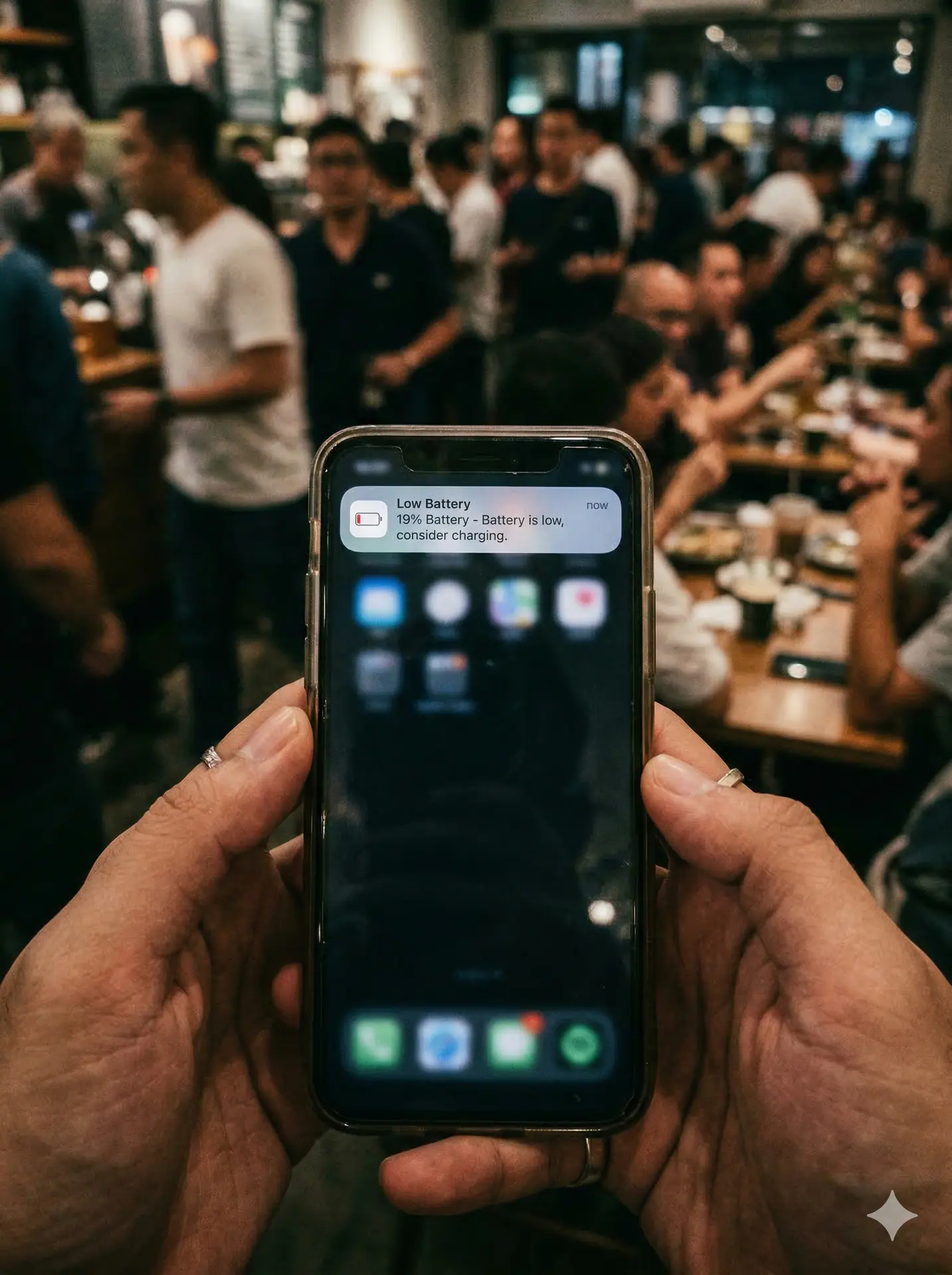
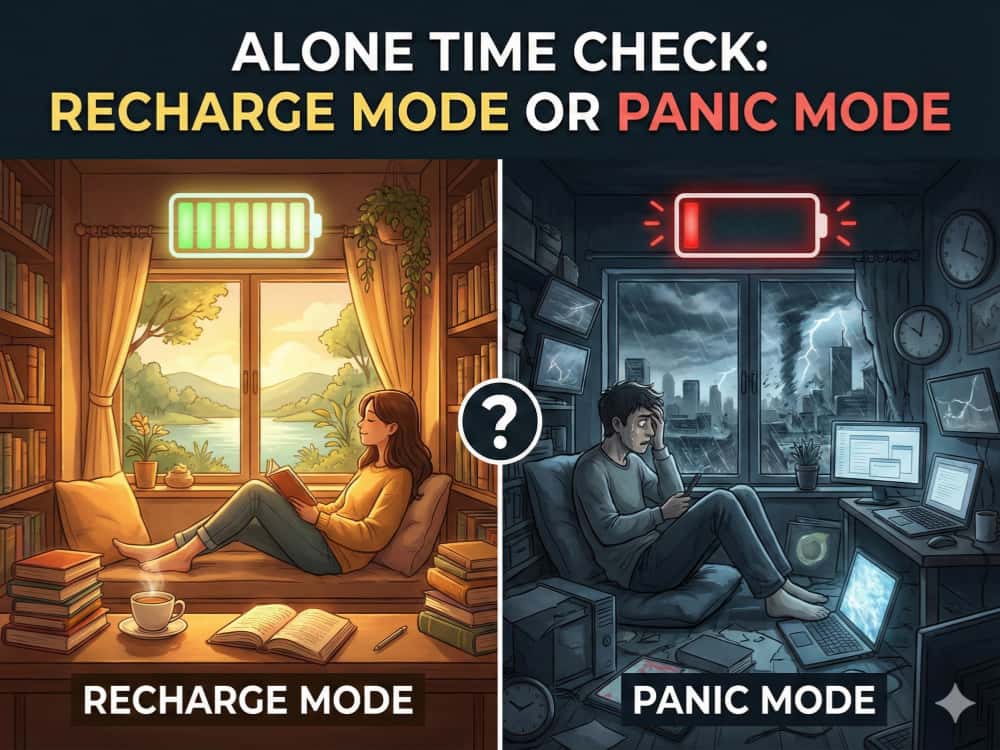
For many with sensitive nervous systems, socializing isn't just conversation; it's a high-stakes data analysis session. You're likely not just hearing words, but also processing tone, body language, facial micro-expressions, and the underlying emotional currents in the room. This is what experts call "depth of processing." It's mentally and energetically expensive. While an extrovert might leave a party energized by the social buzz, you leave having conducted a symphony of social and sensory input. Your need for solitude isn't antisocial; it's a necessary reboot for a system that works overtime to navigate the nuances of human interaction. This recovery time is a crucial strategy for managing sensory overload and is a common experience among those with a highly sensitive temperament.
Why do I feel other people's emotions so intensely?
This aspect of high sensitivity often feels like having emotional Wi-Fi without a password. Neuroscience offers some clues: studies using fMRI scans indicate that brain regions associated with empathy, emotional awareness, and mirroring (like the insula and mirror neuron system) may show heightened activity in sensitive individuals. You're not just being "emotional"; you might be picking up on subtle, non-verbal cues—a slight tension in someone's jaw, a shift in their posture, a fleeting change in their eyes—that signal an inner state they haven't even voiced. This profound emotional responsiveness is a double-edged sword. It can lead to deep, meaningful connections and a powerful capacity for compassion, but it also requires careful management to avoid emotional exhaustion or taking on burdens that aren't yours to carry.
Why do small things—a beautiful song, a kind gesture—affect me so deeply?
This is the beautiful flip side of the sensitivity coin. The same neurological wiring that makes loud noises jarring also allows for profound appreciation of beauty, art, and nuance. Your depth of processing applies to positive stimuli, too. A sunset isn't just pretty; you might absorb the gradient of colors, the feeling of the air, and a sense of poignant transience all at once. This trait, sometimes linked to aesthetic sensitivity, means you can derive immense joy and meaning from moments others might overlook. It's the reason you might get chills from a piece of music or feel genuinely moved by an act of kindness. This capacity isn't a weakness; it's a form of richness, allowing you to experience life with a particular vividness and emotional depth.
How can I thrive, not just survive, with these traits?
Understanding your sensitivity is the first step toward crafting a life that doesn't just accommodate it, but benefits from it. It starts with reframing: you're not broken, you're differently calibrated. Practical strategies often involve becoming an expert in your own boundaries and needs. This might mean scheduling mandatory quiet time after social engagements, using noise-canceling headphones in stimulating environments, or learning to recognize the early signs of overstimulation. It also means consciously curating your inputs—the media you consume, the environments you frequent, and even the conversations you engage in. Perhaps most importantly, it involves honoring the strengths inherent in high sensitivity: your capacity for empathy, your attention to detail, your deep appreciation for subtleties, and your rich inner life. By designing your lifestyle to manage overstimulation, you create the space for these gifts to shine.
Recognizing these patterns in yourself isn't about finding a label to hide behind, but about gaining a powerful lens for self-understanding. It's the manual you never received for operating a uniquely complex and perceptive system. The goal isn't to become less sensitive, but to become more skilled—learning to protect your energy so you can fully engage your depth, and creating environments where your perceptive gifts can be assets, not liabilities. The world needs deep processors, intuitive feelers, and those who notice what others rush past. Your sensitivity isn't a flaw in your design; it's a feature of a different, and deeply valuable, way of being human.