We all have that one friend. The one who sobs at a car insurance commercial, then five minutes later is screaming at their phone because the map app recalculated. Or maybe, if we're being brutally honest, that friend is us. That intense, whiplash-inducing ride isn't just being "dramatic" or "too sensitive." It often points to a deeper experience many of us share: emotional dysregulation. It's the feeling that your emotional volume knob is stuck on 11, or sometimes goes completely mute, with no one but you seeming to know where the remote is. Understanding this isn't about slapping on a label; it's about finally reading the confusing manual to your own internal weather system.
What Is Emotional Dysregulation, Really? (It's Not Just "Being Moody")
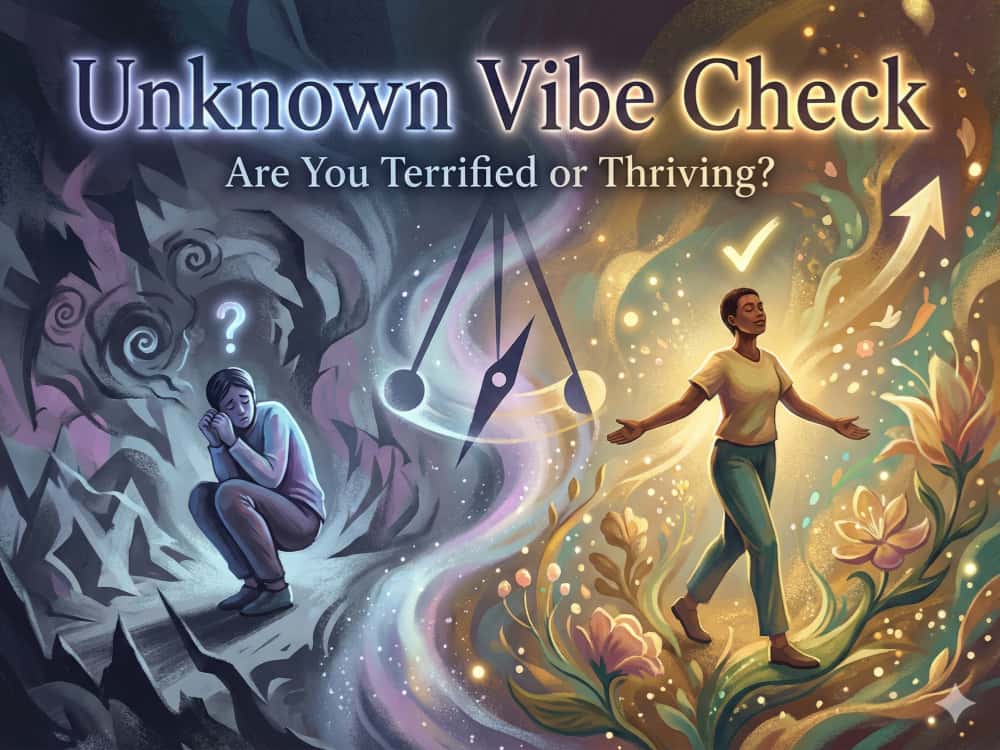
Let's break it down without the clinical jargon. Think of your emotional system like a thermostat. A well-regulated one keeps the room at a comfortable 72 degrees, adjusting smoothly to a cool breeze or a sunny patch. Emotional dysregulation is when that thermostat is glitchy. It might blast the heat to 90 because someone left a door open, or plunge the room into an ice age when you just wanted a slight cool-down. It's not the emotion itself that's the problem—anger, sadness, joy are all valid—it's the intensity, duration, and the feeling that you're not in the driver's seat of your response. Research suggests this difficulty in managing emotional responses is less about what you feel and more about how those feelings escalate and impact your actions.
The Sneaky Triggers We All Miss
It rarely starts with the big stuff. More often, it's the death-by-a-thousand-papercuts phenomenon. Hanger (hunger + anger) is a classic, biologically legit trigger. But what about decision fatigue from choosing a Netflix show? The specific tone of voice your partner uses? That one unread text message with the "..." typing bubble that then disappears? For many, these minor stressors don't register as minor. They pile onto a nervous system that's already humming near its limit, and that final, tiny straw doesn't just break the camel's back—it makes the camel explode. We often blame the last thing, but the real culprit is the invisible load we were already carrying. Learning to spot these subtle buildup patterns is a game-changer.
Why "Just Calm Down" Is The Worst Advice In Human History
If you've ever been told to "just relax" in the middle of an emotional storm, you know it has the exact opposite effect. It's like telling someone with a broken leg to "just walk it off." The command itself becomes another trigger, adding shame and frustration to the original emotional fire. This is where understanding the difference between feeling and reacting is crucial. The goal of managing intense emotions isn't to never feel them (impossible and unhealthy), but to create a tiny space between the feeling and your behavioral output. It's the difference between feeling furious at your boss and screaming at your boss. That space is where your power lies.
The Body Keeps the Score (And Sends the Bills)
We think of big feelings as purely mental, but they are profoundly physical. A surge of anxiety isn't just a thought; it's a racing heart, tight shoulders, and shallow breath. A wave of shame can feel like a literal weight in your chest. This mind-body link is key. You can't always think your way out of a dysregulated state because your body has already hit the panic button. This is why strategies that seem too simple often work best: splashing cold water on your face, intense exercise, even chewing sour candy. They're not distractions; they're signals to your nervous system that the "emergency" is over, helping to down-regulate the physiological chaos that fuels the emotional storm.
From Reacting to Responding: Building Your Emotional Toolkit
So, what do we do with all this? We build a toolkit, not a cage. First, practice being a detective of your own state. A simple body scan—noticing tension, temperature, heartbeat—can give you early intel before the emotional tsunami hits. Next, find your "circuit breakers." These are quick, physical actions that interrupt the feedback loop: the 4-7-8 breathing technique (inhale 4, hold 7, exhale 8), holding an ice cube, or focusing intensely on five things you can see. The goal isn't to eliminate the emotion, but to lower the intensity enough so you can respond from a place of choice, not react from a place of chaos.
The Empowering Reframe: Sensitivity as Data, Not Defect
Here's the closing insight, the reframe that changes everything: What if this emotional intensity isn't a flaw, but a form of high-resolution perception? Your system might be picking up on subtleties, injustices, and beauties that others miss. The problem isn't the sensitivity itself; it's the lack of a filter and a volume control. Learning regulation isn't about muting yourself to make others comfortable. It's about installing that filter and control, so you can channel that incredible depth of feeling into connection, creativity, and compassion—instead of letting it burn out your own wiring. It's about becoming the skilled operator of your own powerful, sensitive instrument. The journey starts not with judgment ("Why am I like this?"), but with curious, kind observation ("Ah, I'm like this. What does this feeling need?"). That shift, from fighting yourself to understanding yourself, is where real change begins.