

That constant hum of worry in your chest, the endless "what if" scenarios playing on a loop in your mind—if you're familiar with the exhausting grip of relationship anxiety, you're not alone. This pervasive sense of unease about your partnership can feel like a barrier to the deep, secure connection you crave. But what if you could understand its roots and transform that anxious energy into a foundation of trust and presence? This journey isn't about finding a "perfect" partner, but about cultivating a more peaceful relationship with yourself and, in turn, with love itself.
The Before: When Your Mind Becomes a Worst-Case Scenario Generator
You're in a good relationship, maybe even a great one. Yet, a quiet dread lingers. A text left unanswered for an hour spirals into a narrative of disinterest. A perceived shift in tone becomes proof of impending rejection. You find yourself constantly seeking reassurance, analyzing every word and gesture, or emotionally withdrawing as a preemptive shield. This state of hyper-vigilance is more than just "overthinking;" it's your nervous system's misguided attempt to protect you from a hurt it anticipates but hasn't yet experienced. The cost? You're physically present but mentally miles away, trapped in a future that hasn't happened, missing the actual, real connection happening right now.
Why Your Brain Sounds the Alarm: The Psychology of Anxious Attachment
To move forward, it helps to understand the "why." While not a clinical diagnosis, many experts believe patterns of relationship anxiety often stem from early attachment experiences. Research suggests that if your early caregivers were inconsistent, unavailable, or unpredictable, you might have developed an anxious attachment style as an adaptation. Your brain learned that love is uncertain and that you must be hyper-aware of any sign of its withdrawal to survive. In adulthood, this wiring gets activated in romantic partnerships. Your partner isn't your parent, but your amygdala—the brain's threat detector—doesn't know the difference. It flags normal relationship ebbs and flows as "danger," flooding your body with stress hormones and compelling you to seek immediate relief through reassurance or control. It's a primal system misfiring in a modern context.
The Pivot Point: Distinguishing Intuition from Anxiety
A crucial step in managing relationship worries is learning to differentiate between intuitive gut feelings and anxiety-driven noise. Intuition is typically calm, clear, and present-moment focused. It might whisper, "This behavior doesn't align with my values." Anxiety, in contrast, is frantic, fuzzy, and future-tripping. It screams, "They're going to leave you and you'll be alone forever!" Start practicing mindful observation. When a worried thought arises, pause. Don't engage the story. Simply note: "This is anxiety." Ask yourself: "Is this based on concrete evidence in the present moment, or on a feared story about the future?" Grounding yourself in the "now"—through your senses or your breath—can quiet the catastrophic forecast and create space for clearer perception.
Building Your Inner Security: The Foundation for Secure Love
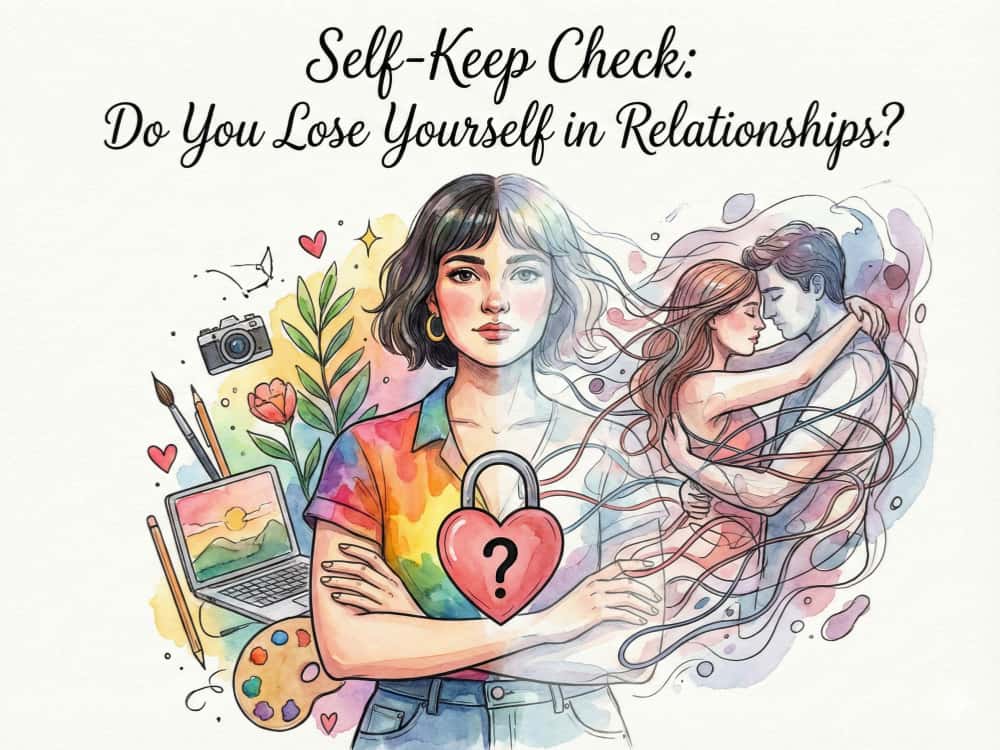
You cannot outsource your emotional security. True relief from partnership fears comes from building a stable, compassionate relationship with yourself. This means becoming your own primary source of comfort and validation. Start by identifying your core needs and values outside of the relationship. What brings you joy, purpose, and a sense of competence? Invest energy there. Practice self-soothing techniques for when anxiety spikes: place a hand on your heart and take slow breaths, reminding yourself you are safe in this moment. Challenge the inner critic that tells you you're "too much" or "not enough." As you build this internal fortress of self-worth, your need for constant external validation naturally diminishes. Your relationship shifts from a "need-to-have" for survival to a "want-to-have" for shared growth and joy.
Communicating from Calm, Not Fear: Changing the Conversation
Anxious patterns often lead to "protest behaviors"—like passive aggression, excessive texting, or picking fights—that push partners away. The alternative is vulnerable, non-blaming communication. This requires you to first self-regulate. Before discussing a trigger, calm your nervous system. Then, use "I feel" statements rooted in your experience, not accusations. Instead of "You never make time for me!" try, "I feel anxious and disconnected when we go days without quality time. I would love to plan a weekly date night." This frames the issue as a shared problem to solve, not a character flaw to attack. It invites your partner in rather than pushing them into a defensive corner.
The After: From Anxious Attachment to Earned Security
Imagine this: Your partner is busy and less responsive than usual. Instead of spiraling, you notice the anxious thought, acknowledge it with kindness, and gently redirect your attention to your own engaging project. Later, you check in from a place of calm curiosity, not frantic need. You experience disagreements not as threats to the relationship's existence, but as opportunities to understand each other better. Love feels less like a frantic grasp and more like a conscious choice you make from a full cup. This is "earned security"—a state cultivated through consistent self-work. The anxiety may not vanish entirely, but it loses its steering wheel. You respond to it instead of being ruled by it. You show up for your partner, and for yourself, with presence, patience, and a profound sense of being fundamentally okay, regardless of outcome.
Your First Actionable Step: The Daily Relationship Check-In
The transformation begins with small, consistent practices. Start with a five-minute daily check-in, just with yourself. Ask: 1. What is one thing I appreciated about my partner or our connection today? (Focus on the positive). 2. When did I feel a flicker of anxiety or doubt? (Name it without judgment). 3. What is one small way I can nurture my own sense of security and joy tomorrow? (Reclaim your agency). This practice builds the muscle of mindful awareness, separating you from the chaotic waves of your thoughts and anchoring you in the active, empowered role of authoring your own emotional experience. The path from anxiety to secure love is paved with these gentle, daily returns to yourself.