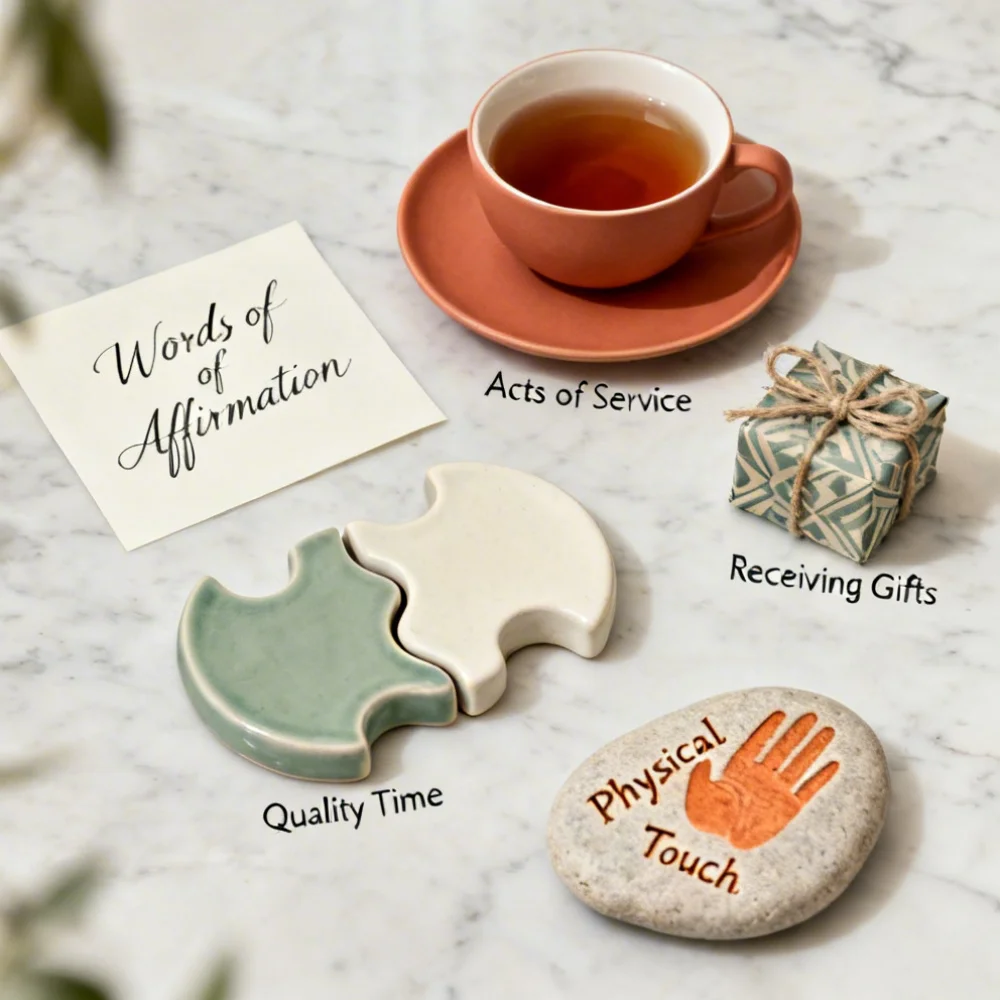


Ever feel like you're speaking a different emotional language than someone you care about? You're not alone. The concept of love languages has become a powerful framework for understanding how we give and receive affection. It's not just about romance; these emotional dialects shape our friendships, family bonds, and even workplace connections. This isn't a rigid personality test, but a map for navigating the beautiful complexity of human connection. Let's explore some key insights that can help you communicate care more effectively and feel more understood in return.
1. Your Primary Love Language Isn't Just What You Crave, It's Your Default Dialect
Think of your primary love language as your native emotional tongue. It's the way you instinctively express care, which often mirrors how you most deeply wish to receive it. For instance, if your language is Acts of Service, you might show love by fixing a friend's leaky faucet or picking up groceries for a busy partner. The potential pitfall? You might pour effort into tasks for someone whose primary language is Words of Affirmation, leaving them feeling unseen because they're longing for verbal validation. Understanding this default setting is the first step toward intentional communication. It allows you to ask yourself: "Am I speaking my language, or theirs?" This awareness can transform acts of love from missed connections into meaningful exchanges.
2. The "Receiving" Gap: Why We Often Give What We Want to Get
This is one of the most common relationship dynamics illuminated by the love languages framework. We tend to express affection in the way we wish to receive it, a pattern many relationship experts observe. If you feel most loved through Quality Time, you'll likely prioritize planning dates and focused hangouts. However, if your partner's primary language is Physical Touch, they might interpret your planning as logistical rather than loving, truly feeling connected through a held hand or a hug. This "receiving gap" isn't a sign of incompatibility, but a simple mismatch in emotional vocabulary. Bridging it requires conscious effort—learning to "speak" their dialect even when it doesn't come naturally. It's the practice of saying "I love you" in a language they can fluently understand.
3. Love Languages Can Evolve With Your Life Chapters
While we often think of our love language as a fixed trait, research suggests it can be more fluid than we assume. Major life transitions—becoming a parent, starting a new career, moving cities, or navigating personal growth—can subtly shift what makes us feel secure and cherished. The constant physical presence of a new parent might crave Words of Affirmation from a partner to feel seen as an individual. Someone in a high-stress job might begin to value Acts of Service more deeply as a tangible form of support. This isn't about changing who you are, but about your emotional needs adapting to your environment. Periodically checking in with yourself ("What made me feel truly loved this month?") can reveal these evolutions and prevent relationships from running on outdated manuals.
4. It's Not Just Romantic: Applying Love Languages to All Your Bonds
Limiting this concept to romantic partnerships misses half of its power. Every meaningful connection operates on these principles of giving and receiving care. A friend whose language is Gifts might feel deeply known when you bring them a book that reminded you of them, while a sibling with Words of Affirmation might treasure a heartfelt text more than a birthday present. In a professional setting, a colleague who values Acts of Service might feel supported when you help them meet a deadline, while another might interpret that same offer as a lack of faith in their abilities. By considering the relational styles of friends, family, and even teammates, you can build more resilient, appreciative, and mutually supportive networks in every area of your life.
5. The Secret Sixth Language: The Love Language of Self-Care
Often overlooked is how we speak these languages to ourselves. Your relationship with yourself sets the tone for all others. If your primary language is Quality Time, are you granting yourself moments of undistracted peace? If it's Words of Affirmation, what is the internal dialogue you're nurturing? Practicing self-love in your own primary dialect is a profound act of validation. It means giving yourself the very thing you long for from others, filling your own cup first. This isn't selfish; it's foundational. When you understand and honor your own emotional needs, you communicate from a place of abundance rather than lack, and you become better equipped to understand and meet the needs of others without depleting yourself.
6. From Insight to Action: Making Love Languages Work For You
Knowledge is only power when applied. Start with observation, not assumption. Notice how the people in your life try to show you love—their attempts are clues to their own primary languages. Have a curious, open conversation about it. Instead of a quiz, ask: "What's a small thing someone has done recently that made you feel really appreciated?" The answer is often a direct translation of their love language. Then, practice intentionality. Choose one specific, small action this week that aligns with a loved one's language, not your own. The goal isn't perfection or mind-reading, but increased empathy and clearer channels of emotional expression. When we learn to translate care across dialects, we build bridges of understanding that make every relationship in our lives richer and more resonant.