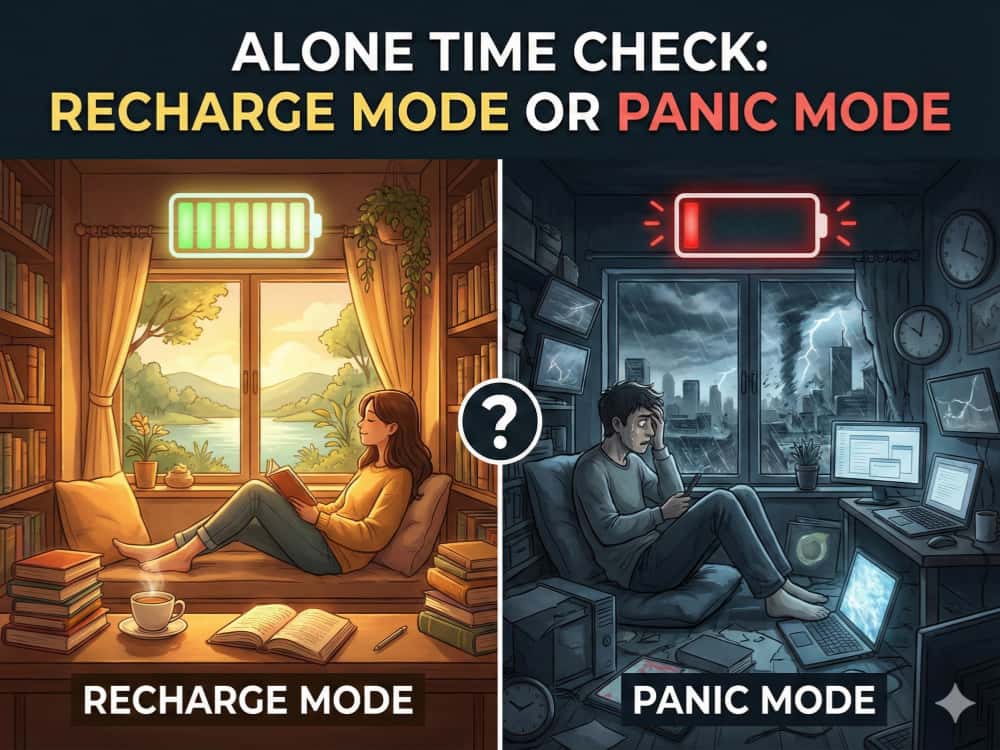


You know that feeling when the world outside your window turns monochrome, your motivation seems to have migrated south for the season, and every day feels like a slow, quiet chapter in a book you're not sure you want to finish? That's more than just the winter blues—it might be your personal winter arc. In psychological terms, a winter arc is that internal narrative of contraction, reflection, and seeming stagnation that often mirrors the external season. It's not a flaw; it's a phase of the human story, a necessary period of dormancy that, research suggests, might be crucial for what comes next.
The Anatomy of a Seasonal Slowdown
Let's set the scene: the frantic energy of year-end holidays has dissipated, leaving a stark, quiet January in its wake. Your social calendar looks barren. The ambitious goals you set feel distant under a gray sky. This isn't laziness; it's a psychological shift. Many experts in chronobiology and wellness believe our bodies and minds are subtly wired to respond to environmental cues like light and temperature. The reduced daylight of winter can impact neurotransmitter production, potentially lowering energy and mood for some people. This biological backdrop sets the stage for the internal winter narrative—a time when your focus naturally turns inward. You might find yourself ruminating more, feeling less socially driven, or questioning paths you were sprinting down just months before. It's the plot point where the hero stops, looks around, and wonders, "Is this still my story?"
Dormancy Is Not Death
Here's the counterintuitive twist in this seasonal storyline: what looks like nothing is often something. In nature, winter is when essential work happens unseen. Roots deepen. Energy is conserved. The landscape isn't dead; it's gathering. Your psychological winter phase can operate on a similar principle. That lack of outward momentum might be creating space for crucial internal processing. Studies on creativity and problem-solving often highlight the "incubation period," where stepping away from active effort allows for subconscious connections to form. The quiet frustration of your winter arc could be your mind's way of composting the experiences of the past year, breaking them down into nutrients for future growth. The pressure to be constantly productive can make this feel like failure, but psychology frames it as a different, and vital, kind of work.
Navigating the Narrative Without Getting Lost
Okay, so it's a natural phase. That doesn't mean you have to white-knuckle your way through months of gloom. The key is to shift from resisting the season to working with its rhythm. Think of it as directing your own seasonal character development. Instead of forcing summer-level socializing, what if you leaned into the introspective quality? This could look like journaling, diving into a complex book, or learning a skill that requires deep focus. Light, literally and metaphorically, is your ally. Maximizing exposure to daylight, even on cloudy days, can help regulate circadian rhythms. And since social connection remains a core human need, reframing it helps: swap the big group outing for a meaningful one-on-one coffee, or a cozy movie night. The action isn't gone; it's just changed scale and tone.
When the Plot Thickens: Recognizing a Problematic Pattern
It's crucial to distinguish a natural, transient winter arc from something more significant. For some, the seasonal shift can trigger a more profound and debilitating pattern, often related to Seasonal Affective Disorder (SAD). How can you tell the difference? A typical psychological slowdown might involve lower energy and a desire to stay in, but it usually allows for moments of enjoyment and doesn't completely derail your responsibilities. Warning signs that suggest a deeper look might be needed include a persistent, overwhelming sense of hopelessness, a complete loss of interest in activities you usually love, significant changes in sleep or appetite that last for weeks, or an inability to function in daily life. If your winter arc feels more like a sinkhole, it's a sign to reach out to a healthcare or mental health professional. There's no trophy for suffering through it alone.
Planting the Seeds for Your Spring
The most beautiful part of any winter arc is its inherent promise: it is, by definition, a temporary season. The narrative doesn't end here. This period of contraction creates the tension necessary for a meaningful expansion. Use this quiet time not just to wait, but to prepare. What tiny seed of an idea could you plant now? Maybe it's researching a class for the spring, organizing one corner of your life, or simply practicing more self-compassion. The arc of your year, much like the best stories, needs contrast—the quiet chapters make the active ones resonate more deeply. Your current hibernation isn't the end of your story; it's the quiet, crucial middle where the character gathers the strength and insight they'll need for the journey ahead. The thaw is coming. What will you bring with you when it does?