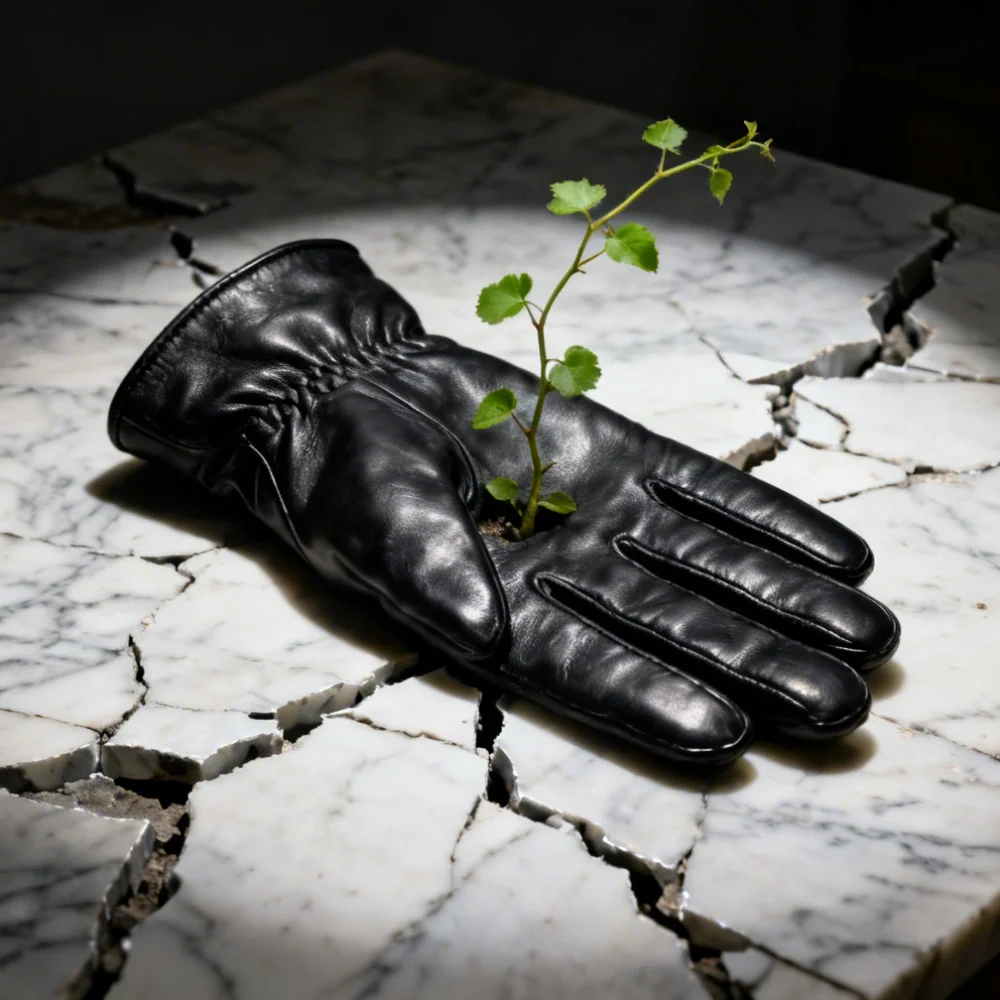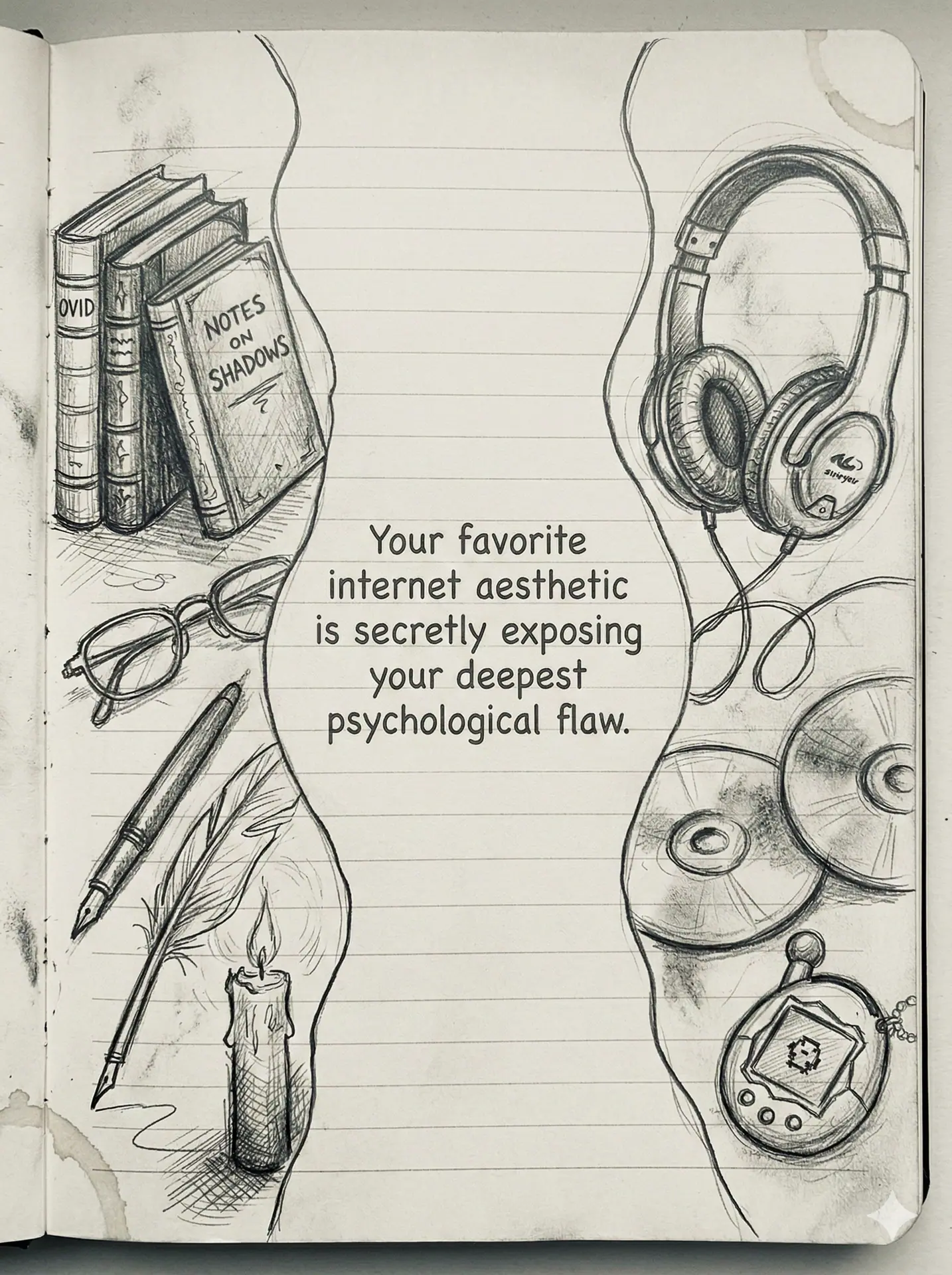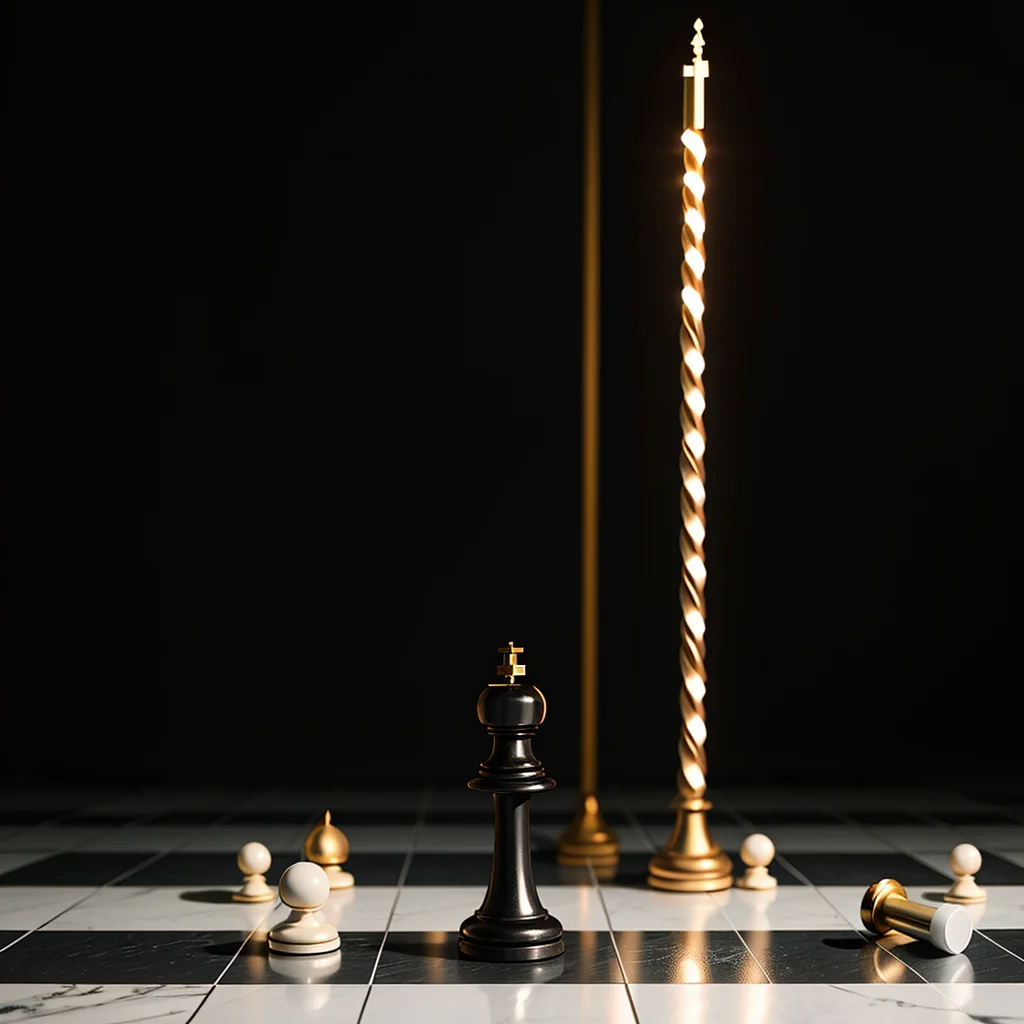
We've all seen the memes, the mood boards, the triumphant declarations on social media: someone is entering their "villain era." It sounds dramatic, maybe a little sinister, like we're trading in our cardigans for capes and plotting world domination from a velvet armchair. But for most of us, the real villain era isn't about becoming a cartoonish antagonist. It's a quieter, more personal revolution. It's the moment we stop auditioning for the role of "likeable person" in other people's stories and finally start writing our own script. This shift, this embrace of a more authentic self—flaws, boundaries, and all—can feel villainous only because we've been taught that prioritizing ourselves is a transgression.
The Villain Era Is a Misunderstood Reckoning
Let's be honest. The cultural idea of a villain era often gets flattened into aesthetics—dark lipstick, sharp suits, a soundtrack of defiant pop anthems. While there's nothing wrong with a style refresh, the core of this phenomenon runs much deeper. Psychology suggests it often coincides with a period of significant self-reassessment, sometimes following burnout, a major disappointment, or the simple, exhausting weight of people-pleasing. It's less about embracing malice and more about discarding the exhausting performance of perpetual niceness. When we've spent years contorting ourselves to fit expectations, saying "no" or stating a need can feel like a shocking act of rebellion. The label "villain" gets slapped on us the moment we stop making ourselves small for the comfort of others.
From People-Pleaser to Priority-Keeper
For many, the journey begins at the crumbling wall of people-pleasing. We realize that our constant accommodation has left our own needs gathering dust in a corner. Research on assertiveness and well-being indicates that chronically suppressing our own desires to maintain harmony can lead to increased stress and resentment. The first act of our so-called villain arc is often just... setting a boundary. It might be telling a friend you can't loan them money again, leaving a work chat after hours, or finally voicing that a family member's comment hurt you. The reaction can be telling. When someone is used to you having no lines, even a faint pencil mark in the sand can seem like a fortress. You're not being cruel; you're being coherent. You're aligning your actions with your limited time and energy, a practice many wellness experts link to sustainable mental health.
The "Selfish" Label and Why It Sticks
Here's where the villain branding gets applied with gusto. In a society that often prizes, particularly in some groups, self-sacrifice as a virtue, choosing yourself is swiftly framed as selfishness. This is a semantic trap. There's a vast canyon between selfishness (pursuing your gain at the direct, intentional expense of others) and self-fullness (ensuring your own cup isn't empty so you can engage healthfully with the world). Your villain era might involve taking a weekend for yourself instead of attending every social event, investing in a career move that benefits you, or ending a relationship that no longer serves your growth. To the outside world, this can look like a sudden, cold betrayal. In reality, it's often a long-overdue homecoming to yourself. You're not setting fire to the village; you're finally building a home with a door you can close.
The Quiet Power of Emotional Honesty
Another hallmark of this phase is a new, sometimes uncomfortable, relationship with emotional honesty. The "good guy" persona often requires us to swallow our anger, disguise our disappointment as understanding, and perform gratitude for crumbs. Your villain era might grant you permission to say, "I'm angry about that," or "That didn't work for me," without immediately cushioning it with an apology or a compliment. This isn't about unleashing rage indiscriminately; it's about allowing the full spectrum of your human experience to exist without immediate censorship. Studies on emotional expression suggest that acknowledging and appropriately communicating a full range of emotions, including the "negative" ones, is crucial for psychological integrity. It's the difference between being a placid, peaceful pond (where everything stagnates underneath) and a flowing river with currents and rocks—alive, dynamic, and real.
When the "Era" Becomes Just "You"
The healthiest outcome of a villain era isn't staying in a permanent state of defensive rebellion. It's integration. The goal is to take the lessons—the ability to set boundaries, the courage to be honest, the commitment to your own growth—and weave them into the fabric of who you are, permanently. The "era" ends, but the self-posession remains. You soften, not because you're returning to old patterns, but because you're secure enough to be kind from a place of abundance, not obligation. Your relationships filter and reform, now built on a foundation of mutual respect rather than fear of conflict. The empowering insight here isn't that you were meant to be a villain. It's that you were never meant to play a supporting role in your own life. This period of reclamation, often misunderstood as a dark turn, is simply you stepping into the light of your own authority—and realizing that some people will always mistake brightness for a glare.
Your Story, Your Script
So, if you find yourself in this season, labeled the villain for finally speaking your truth or choosing your path, take a breath. Ask yourself: Am I causing genuine harm, or am I simply ceasing to absorb it? Am I being malicious, or am I finally being meticulous with my energy? This isn't about crafting a new persona of indifference. It's the vulnerable, powerful work of aligning your outer life with your inner truth. The most radical act of self-love isn't always a warm bath or a positive affirmation; sometimes, it's the quiet, firm "no" that echoes in a room where you used to only say "yes." That's not a villain's monologue. That's the sound of a protagonist finally taking the mic.